Jamaican Food for Gatherings, Parties, and Family Feasts

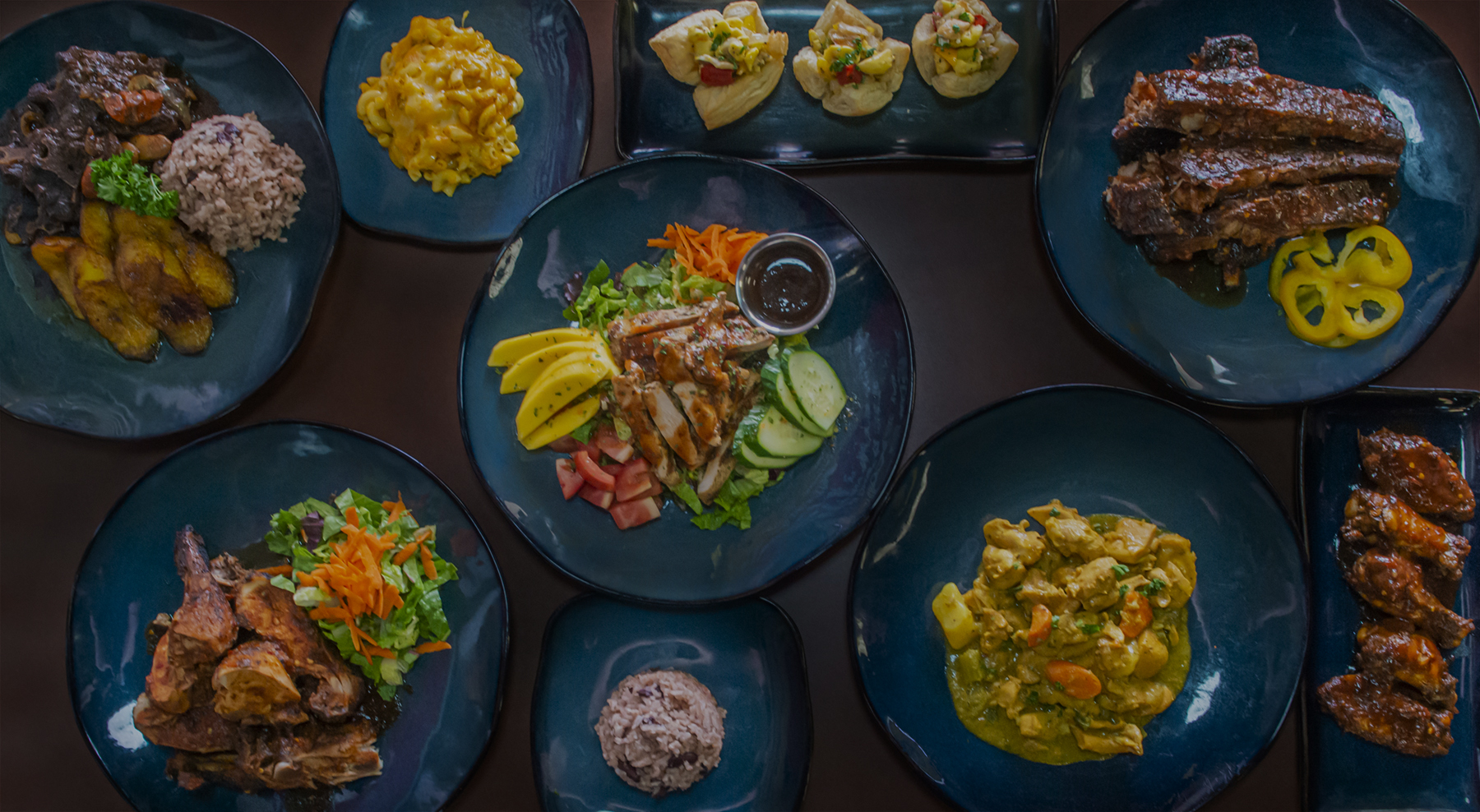
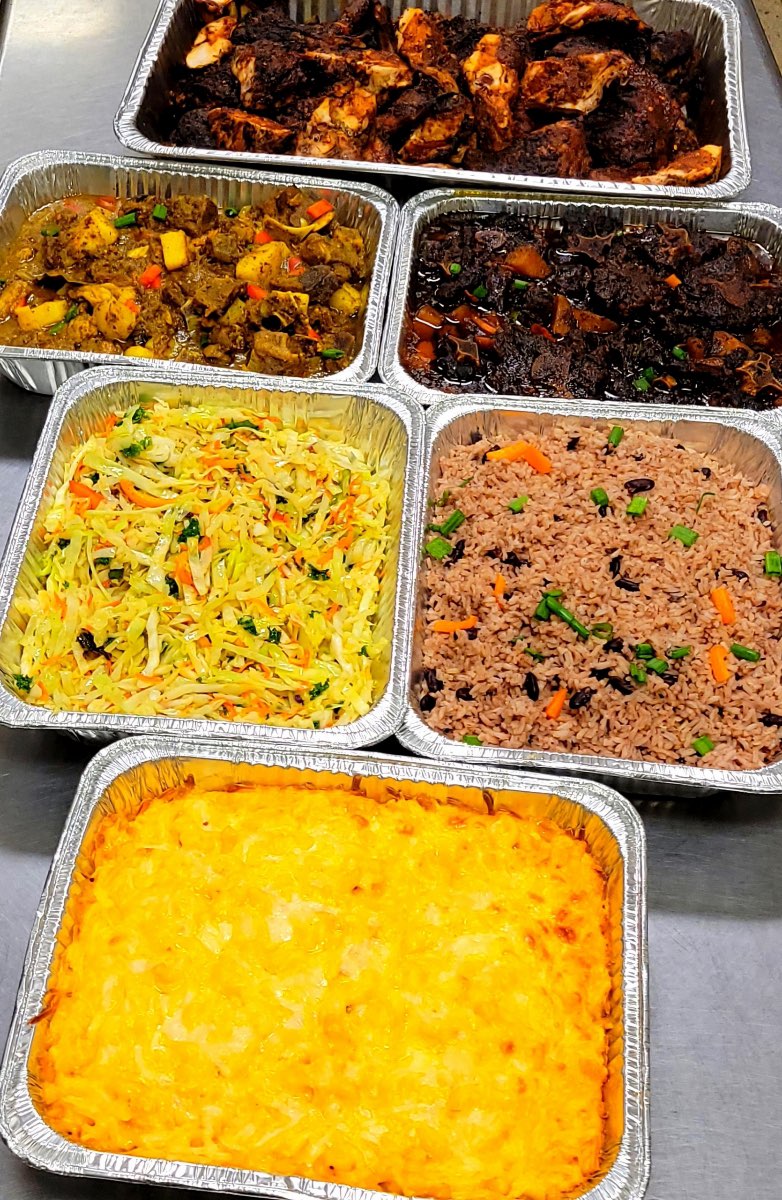
Jamaican food makes immediate sense at a gathering. It is generous, aromatic, deeply seasoned, and built for the kind of table where people serve themselves twice and then linger for another hour. Few cuisines handle abundance as well. A tray of jerk chicken can feed a patio full of guests, a pot of rice and peas stretches without feeling cheap, and the right side dishes turn a meal into a proper feast rather than a quick plate.
That matters when you are planning for birthdays, reunions, holiday dinners, christenings, outdoor cookouts, or a simple Sunday family get-together that somehow grows from ten people to twenty. Jamaican cooking was shaped by resourcefulness and hospitality. It knows how to make a little feel like plenty, and it knows how to make plenty feel celebratory.
What often gets missed by people who only know the greatest hits is how balanced a Jamaican spread can be. The food is famous for fire and smoke, and rightly so, but a good gathering menu also depends on sweetness, starch, acid, crunch, and comfort. A feast works because escovitch fish cuts through the richness, fried plantain softens the heat, and a cool sip of sorrel or carrot juice resets the palate before the next bite. That balance is what separates a nice meal from a table people remember for years.
What makes Jamaican food so well suited to feeding a crowd
At a practical level, Jamaican food scales beautifully. Many of the core dishes improve when cooked in volume. Curry goat is rarely at its best in a tiny saucepan. It needs enough mass in the pot to braise properly, enough time for the connective tissue to relax, and enough liquid and spice to become one thing instead of several ingredients sitting beside each other. The same is true for stew peas, oxtail, brown stew chicken, mannish water, and soup on a Saturday afternoon. These are dishes with patience built into them.
There is also a strong tradition of cooking for extended family and community. The food assumes extra guests. It assumes children running in and out, elders eating at their own pace, and one cousin showing up late but still expecting a proper plate. In many homes, a meal is not measured with strict restaurant precision. It is built with judgment. You know by the weight of the pot whether there is enough rice. You know from the smell if the seasoning has gone deep enough into the meat. You know, after doing it enough times, which tray empties first.
Another reason Jamaican food works so well for gatherings is that it is naturally social. You do not eat this kind of meal in a rushed, isolated way. Platters are passed. Sauce gets spooned over rice for the person next to you. Somebody asks who made the festival because they got the texture exactly right, crisp outside and tender inside. The meal itself creates conversation.
Building the menu around the occasion
Not every gathering needs the same https://manuelyrvh655.terracolumn.com/posts/top-reasons-to-fall-in-love-with-jamaican-food kind of Jamaican food. A daytime backyard lime has different needs from a formal family dinner, and a children’s birthday party should be handled differently from a wake or Christmas meal.
For a casual party, grilled foods carry the day. Jerk chicken, jerk pork, grilled fish, roast corn, hard dough bread, and a few sturdy sides work well because people can eat standing up or move in and out of the yard without disrupting service. Smoke and char also create atmosphere. Even before guests have a plate in hand, the smell tells them the host is serious.
For a more traditional family feast, people usually want a broader spread and at least one pot dish. Curry goat remains one of the strongest centerpieces because it feels festive and substantial. Oxtail has similar appeal, though it is often more expensive and can become impractical when guest counts climb. Brown stew chicken is a wise addition because it is familiar, reliable, and tends to please nearly everyone, including guests who are hesitant about bones in goat or intense spice.
Seafood-centered gatherings need a different rhythm. Escovitch fish, rundown, pepper shrimp, and bammy can make a memorable spread, but they demand closer timing. Fish does not wait politely the way braised meats do. If you are feeding a crowd, it helps to pair seafood with sides that hold their quality, such as rice and peas, plantain, festival, and steamed vegetables, so the delicate item does not carry all the pressure.
A holiday table often becomes more layered. You might see ham alongside curry goat, gungo peas and rice instead of the usual kidney bean version, sorrel steeped with ginger, and a dessert like rum cake or sweet potato pudding. Jamaican food can be deeply seasonal in that sense, with certain flavors signaling celebration the moment they appear.
The core dishes that anchor a proper feast
If you ask experienced cooks what makes a gathering menu feel complete, the answer is usually not one famous dish but a combination of textures and cooking styles. You want at least one item from the grill or oven, one richer sauced dish, one starch that can carry juices, and sides that keep the plate from becoming too heavy.
A reliable crowd menu often includes:
- jerk chicken or jerk pork
- curry goat or brown stew chicken
- rice and peas
- fried plantain or festival
- a bright counterpoint such as coleslaw, steamed cabbage, or escovitch vegetables
This combination works because it respects how people actually eat at large gatherings. Some guests want bold heat and smoke. Others want gravy and rice. Children often go straight for plantain and mild chicken. Older relatives may favor the softer braised dishes. With this kind of spread, everyone can build a plate that feels personal without the host cooking six separate meals.
Jerk chicken deserves special attention because it is so often mishandled outside Jamaica. Too many party versions rely only on bottled sauce painted on at the end. Real jerk flavor starts much earlier, with seasoning pushed into the meat and time allowed for it to settle. Scotch bonnet, allspice, thyme, scallion, garlic, ginger, pimento, and sometimes a touch of sweetness all need time to do their work. Then comes the cooking method. A proper smoky finish transforms it. Even a home grill can get you closer than an oven if you manage the heat carefully and avoid crowding the grates.
Curry goat is another dish people request for celebrations because it feels special. Goat is not everyday meat for many households, and its price reflects that, but it rewards careful cooking. The seasoning has to be assertive enough to stand up to the richness. The curry powder should be "burned" or cooked briefly in fat at the start so the dish tastes rounded rather than dusty. The best versions are thick but not pasty, with gravy that coats the rice and meat that yields without falling apart into mush.
Rice and peas may look like a side, yet at a family feast it functions more like infrastructure. It catches gravy, stretches expensive proteins, and gives the whole meal its backbone. A weak rice and peas can flatten the table. Good ones should smell faintly of coconut, thyme, and scallion, with grains that stay distinct. This is one place where shortcuts are obvious. If the rice is wet, bland, or clumped, people notice.
Heat, seasoning, and the art of pleasing different guests
One of the real challenges with Jamaican food for parties is managing spice honestly. Guests often say they love spicy food, but their tolerance varies wildly. Scotch bonnet brings more than raw heat. It has fruitiness and perfume that belong in the food. Removing it entirely makes many dishes taste less Jamaican. On the other hand, cooking everything at maximum heat is a quick way to watch half your guests push food around the plate.
The solution is not to dilute the food into blandness. It is to control where the heat sits. Jerk can carry more fire because people expect it. Curry goat can be seasoned deeply but finished at a moderate level if the peppers are managed carefully. Escovitch sauce can be served with extra peppers on the side for those who want the full sting. This is often the smartest compromise at large events. Let the base flavor be complete, then give heat lovers a way to climb higher without forcing everyone else to come with them.
The same principle applies to salt, sweetness, and smoke. A dish meant for six can tolerate intensity that becomes tiring when eaten as part of a full buffet. If your menu includes jerk chicken, curry goat, and heavily sweet drinks, something should offer relief. Cabbage, cucumber, slaw, fresh fruit, or a less sugary beverage can do that work quietly.
Sides are not decoration
Hosts sometimes focus so hard on the meat that the side dishes become an afterthought. That is a mistake in any cuisine, but especially with Jamaican food. Sides determine whether the meal feels complete.
Fried ripe plantain is one of the easiest wins. It brings sweetness, soft texture, and broad appeal. Even guests who are unsure about goat, fish, or pepper usually reach for plantain. The trick is to fry it when fully ripe but still structured enough to hold shape. Too early and it tastes starchy. Too late and it collapses into sugary softness.
Festival is another favorite for gatherings because it can be made in batches and eaten with jerk meats, fish, or on its own. Good festival has a distinct contrast between its crisp exterior and tender center. If it is dense, guests often leave half on the plate. If it is too sweet, it competes with everything else. That balance matters.
Bammy deserves more attention than it gets. With fried fish or escovitch, bammy adds an earthy, satisfying base without the heaviness of another rice dish. It is also useful for seafood-focused events where you want starch but do not want every plate dominated by rice and gravy.
Steamed cabbage, callaloo, and slaw bring freshness that can save the whole menu from excess. At large family meals, the vegetable dish often looks modest beside the meats, but it ends up earning its place. After rich gravy, smoke, and fried foods, people want something crisp or lightly cooked.
Drinks and desserts that belong on the same table
Beverages matter more than many hosts expect. Jamaican food has strong, layered flavors, and the drinks should support that rather than disappear beside it. Sorrel is one of the best examples. It has spice, tartness, depth, and enough personality to stand next to a heavily seasoned meal. At Christmas it feels almost mandatory, but it works year-round at celebrations too.
Carrot juice, Irish moss, and lemonade all have their place, though each suits a different mood. Carrot juice can be surprisingly rich, almost dessert-like when made in a traditional style. Irish moss is beloved by many but not universal for party service, partly because texture preferences vary. A sharp homemade lemonade or ginger drink often plays better for mixed groups, especially outdoors.
Dessert should be chosen with some restraint. After a proper Jamaican feast, people are usually full. Dense black cake, sweet potato pudding, toto, or grater cake all make sense, but portions should be modest. In practice, a smaller dessert offering often works better than an elaborate sweets table, especially if guests are also taking food home.
Planning quantities without wasting food
Cooking for a crowd always involves a little uncertainty. Some guests eat lightly. Others arrive hungry and go back three times. Children may only eat rice, plantain, and juice. Weather can change appetite too. A hot day tends to reduce how much people eat of heavy braised dishes, while an evening event often drives demand up.
What helps is understanding how Jamaican food distributes itself on the plate. Rice and peas, plantain, and festival give you cushion. That means you do not need to calculate protein as if every guest will take a giant serving. For mixed crowds at buffet-style events, hosts often do well by offering two proteins rather than trying to serve a large quantity of one expensive item. That lowers risk. If one dish runs faster than expected, the meal still feels abundant.
Leftovers are not always a failure with this cuisine. In many cases they are a feature. Curry goat, stew chicken, and rice and peas can eat very well the next day. Jerk chicken can be repurposed into sandwiches or served again at a more casual meal. Fish is the exception. It is better planned more tightly because it loses quality faster.
Timing the cook so the host is not trapped in the kitchen
The best gathering food often starts the day before. Jamaican cooking rewards advance prep. Seasoning meat overnight is not optional if you want depth. Braises are often better after resting. Sorrel improves when it has time to steep and chill properly. Desserts, drinks, and many sides can be prepared in stages.
A sane event plan usually follows this sequence:
- season meats and prep drinks the day before
- cook braised dishes early enough to rest and reheat gently
- make rice and peas close to service so the texture stays right
- grill or fry last-minute items in waves, not all at once
- hold back a little extra garnish, gravy, and pepper for refresh before serving
This order reduces stress because it protects the dishes that suffer most from delay. Rice left too long goes soft. Fried items lose their edge. Grilled meats dry out if they sit under heat too long. Meanwhile, curry goat and stew chicken are forgiving. They can wait, and sometimes they improve with that wait.
There is also a hosting judgment call that matters more than recipes do. Not every dish has to be made from scratch by one person. For larger events, many excellent home cooks delegate specific items. One aunt handles the potato salad, another relative brings rum cake, someone else does the juice. That is not cheating. It is how many memorable family tables actually come together.
Catering, home cooking, and when each makes sense
There is no shame in catering Jamaican food for larger occasions. In fact, for weddings, milestone birthdays, repasts, or events over a certain size, it is often the more responsible choice. Good Jamaican caterers know how to hold food, pace service, and scale recipes without losing flavor. They also understand details home hosts sometimes underestimate, such as how much gravy is needed, how to keep fried fish from going soggy, or how to transport festival without it becoming dense.
Home cooking shines in smaller gatherings where intimacy matters and the menu can be controlled more tightly. A meal for fifteen or twenty relatives is often exactly the scale where homemade Jamaican food feels most powerful. Guests can taste the hand of the cook. The jerk has the family’s preferred heat level. The rice and peas tastes like someone’s Sunday table, not a standardized tray.
Cost is another factor. Some dishes once considered affordable celebration foods are now luxury items in many markets. Oxtail is the clearest example. It remains beloved, but its popularity has driven prices high enough that many hosts now reserve it for smaller occasions or mix it with more economical choices. Brown stew chicken, curried chicken, or turkey neck can make more financial sense while still delivering a deeply satisfying meal.
The feeling people remember
People do remember standout dishes, but what they remember most is whether the table felt full, warm, and well judged. Jamaican food excels here because it is expressive. It smells like something is happening before anyone even sits down. It carries memory in a direct way. A pot of soup on the stove, a tray of jerk just off the grill, the sweetness of ripe plantain in hot oil, the spice of sorrel at the back of the throat, these details create the atmosphere of a gathering as much as the guest list does.
A successful feast does not have to be extravagant. It has to be thoughtful. The seasoning should be deep, the portions generous, the sides purposeful, and the pacing calm enough that the host can actually greet people rather than panic over the stove. When that balance is right, Jamaican food does what it has long done best. It feeds people well, gives them something to talk about, and turns a meal into an occasion.
Reggae Pot Jamaican Grill
7562 S University Blvd C, Centennial, CO 80122
(303) 997-5623
FAQ About jamaican food
What is the best Jamaican food to try in Centennial?
The best choice depends on your preferences. Reggae Pot Jamaican Grill offers jerk chicken, curry goat, oxtail, and escovitch snapper, along with sides such as rice and peas and fried plantains. Ask the restaurant about current availability and spice levels before ordering.
Is Jamaican food very spicy in Centennial?
Heat varies by dish and preparation. Jerk dishes can be hot, while some stews and sides are milder. Tell the restaurant your preferred heat level and ask which options suit you.
What is typically on a Jamaican menu?
Common choices include jerk chicken, curries, oxtail, fish, patties, rice and peas, and plantains. Reggae Pot also lists ackee and saltfish and vegetable dishes. Menus and availability can change, so confirm your choices when ordering.