Jamaican Food and the Richness of Caribbean Culture
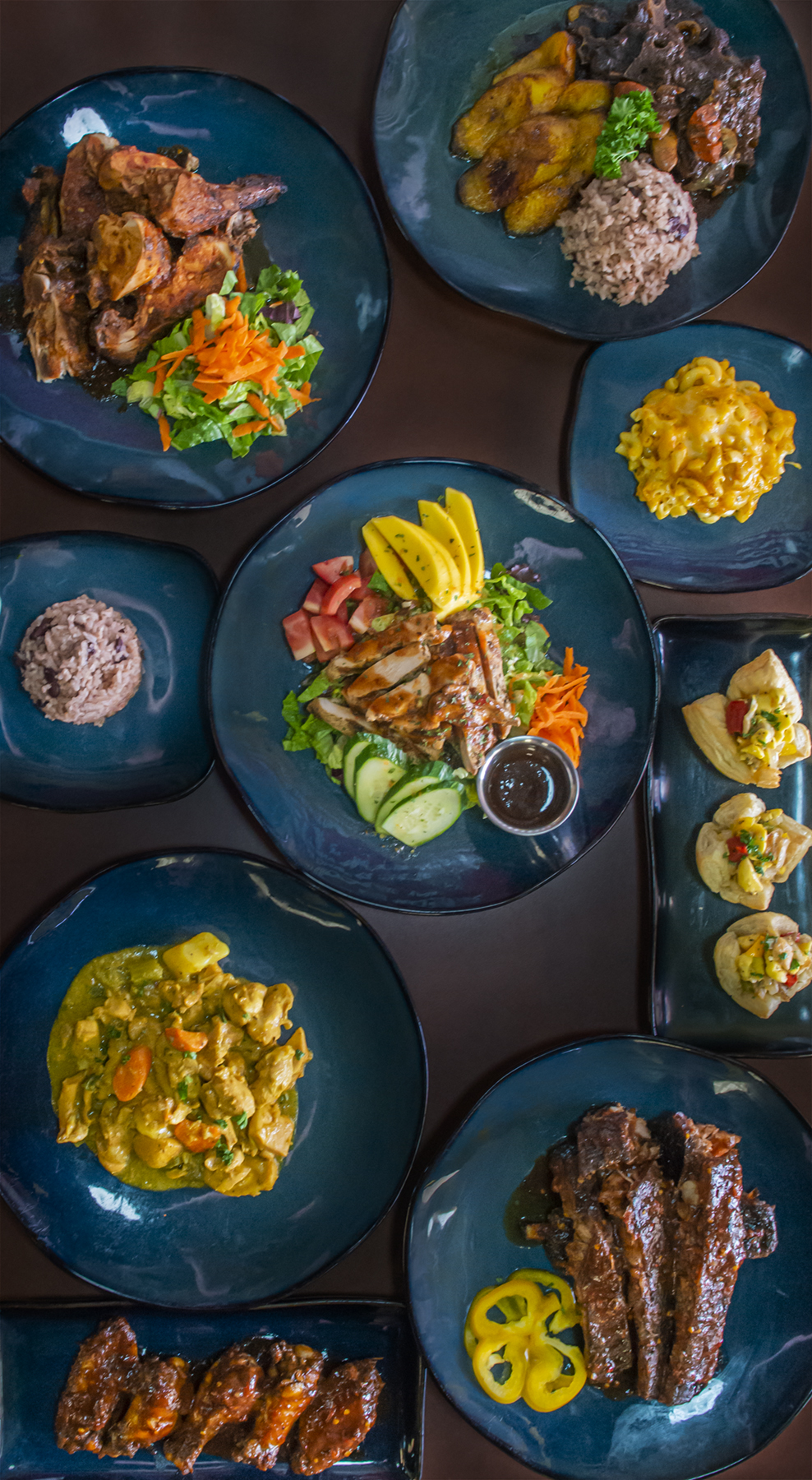
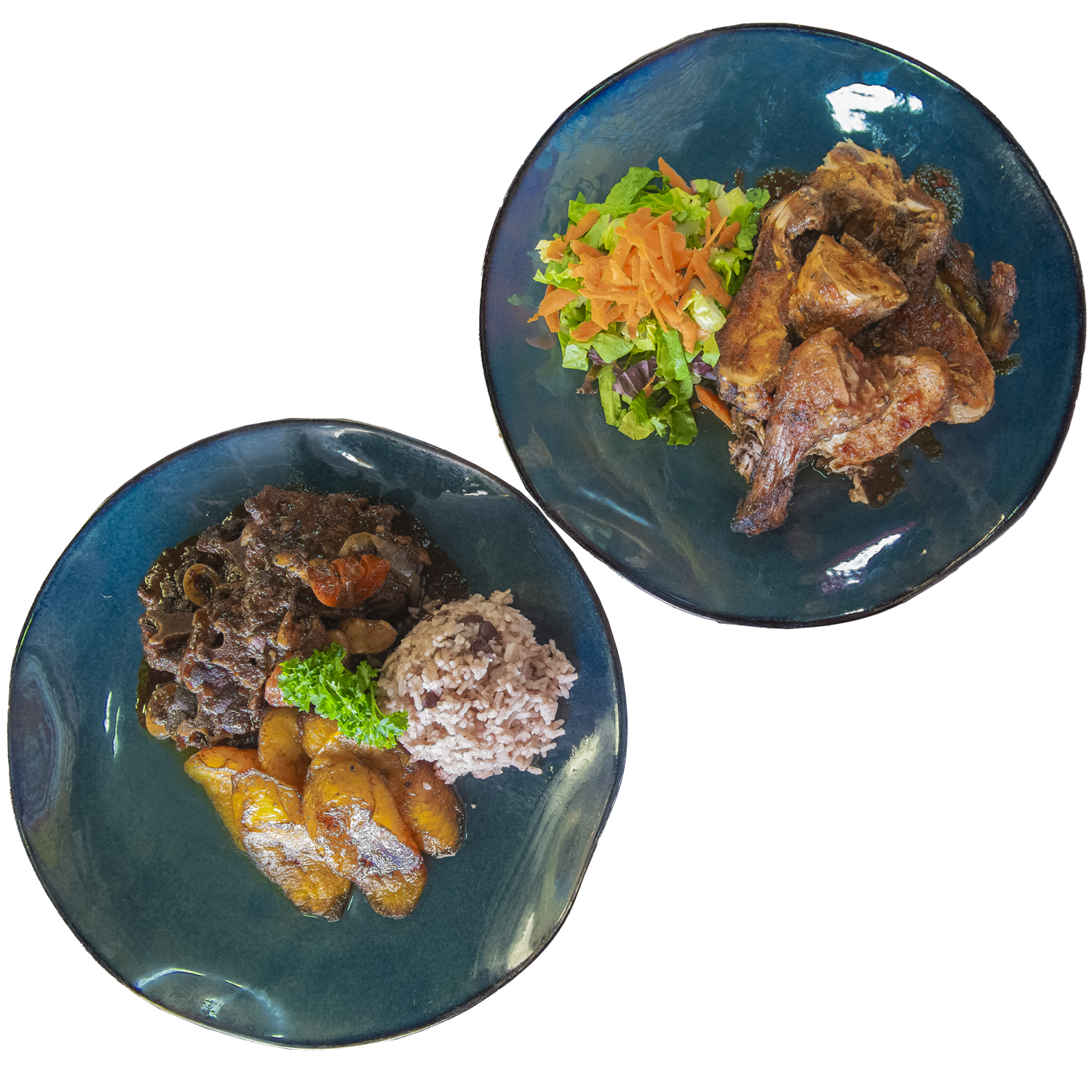
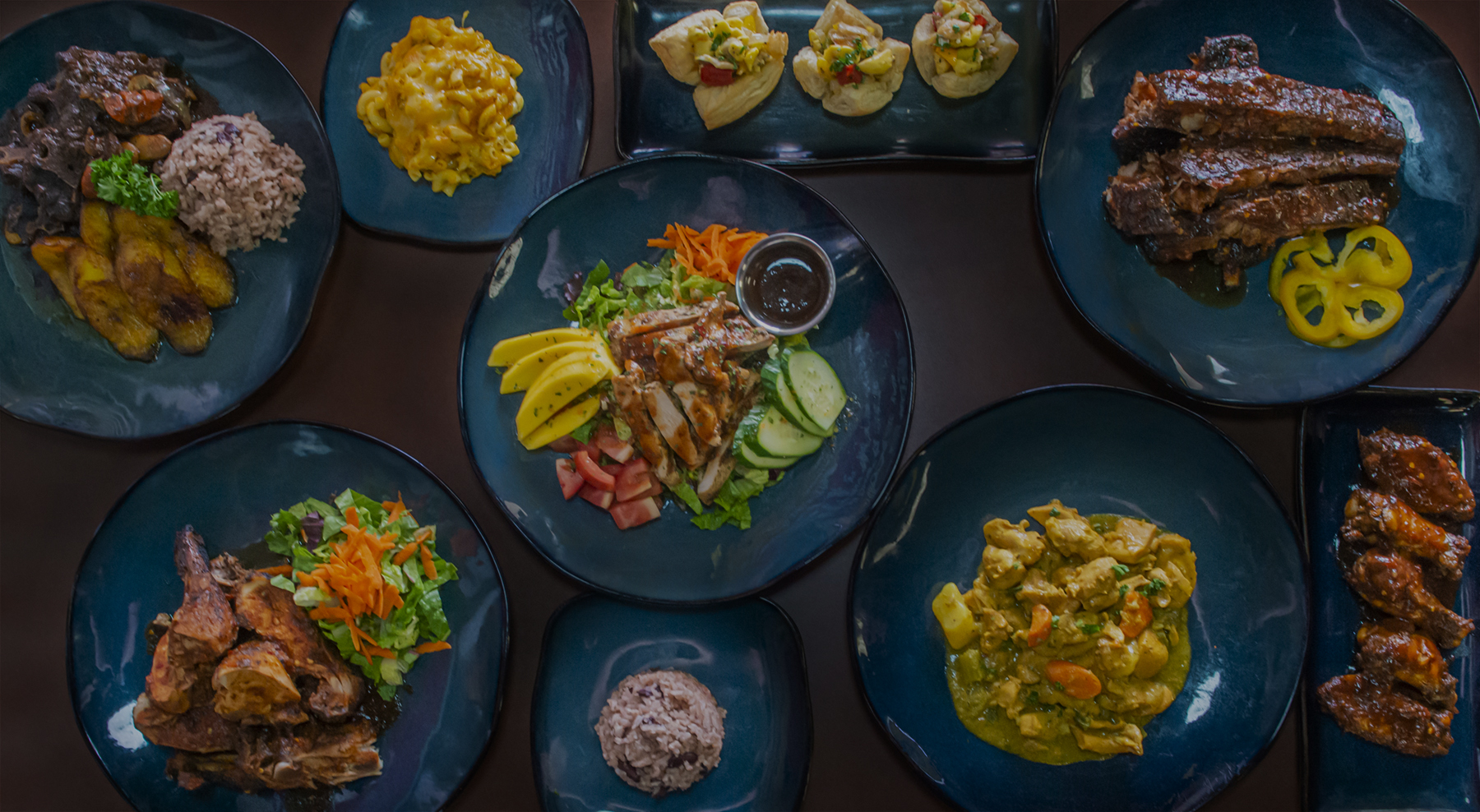
Jamaican food does not sit quietly on the table. It arrives with smoke, spice, color, and memory. Even before the first bite, there is a sense of place. Pimento drifts through the air. Scotch bonnet announces itself before anyone lifts a fork. Plantains caramelize at the edges. Rice and peas carry the perfume of coconut milk and thyme. A proper Jamaican meal feels built from climate, history, labor, improvisation, and pride.
That is why any serious look at Jamaican food has to go beyond recipes. The cuisine is part of a wider Caribbean story, one shaped by migration, colonial rule, African survival, Indigenous knowledge, trade routes, and local ingenuity. Jamaica shares common threads with its regional neighbors, yet it expresses them in a voice that is unmistakably its own. The island’s food is bold, but not careless. It is layered, but rarely fussy. It rewards patience, especially in dishes that are marinated overnight, slow-cooked over wood, or built on techniques passed from one generation to the next.
People often approach Jamaican cooking through one or two famous dishes, usually jerk chicken or patties. That is understandable, but limiting. The deeper you go, the more the cuisine reveals itself as a complete cultural system. Breakfast matters. Street food matters. Seasonal produce matters. So does the ability to stretch ingredients, feed a crowd, and make something deeply satisfying from what is available.
A cuisine born from movement and memory
Jamaica’s food reflects centuries of encounter. African culinary traditions form the backbone of the cuisine, especially in seasoning methods, one-pot cooking, fritters, soups, yam cookery, and the handling of starches and greens. Enslaved Africans brought skill, agricultural knowledge, and flavor logic that endured under brutal conditions. European colonizers left their mark, too, especially in salt cod consumption, baking traditions, and certain festive dishes. Indian and Chinese indentured workers contributed spices, techniques, and everyday dishes that became naturalized over time. Indigenous Taíno influence remains in cassava use, barbecue methods, and ingredients that long predate colonial arrival.
This layered past is not abstract. You can taste it. Ackee and saltfish, often treated as a national shorthand, tells a migration story in a single plate. Ackee came from West Africa. Saltfish arrived through Atlantic trade systems and the preservation needs of empire. Together with onions, tomatoes, thyme, and Scotch bonnet, they become something fully Jamaican. That transformation is the point. Jamaican cooks have always had a remarkable ability to absorb outside influences without losing local identity.
Across the Caribbean, you see similar patterns. Trinidadian curries, Haitian epis, Cuban black beans, Dominican stews, Bajan cou-cou, and Puerto Rican sofrito all speak to histories of survival and adaptation. Jamaican food belongs firmly in that regional conversation, but it is distinguished by the intensity of its seasoning, the prominence of allspice, the central place of Scotch bonnet, and the way smoke and fire are treated not as garnish, but as structure.
The flavor architecture of Jamaican food
A skilled Jamaican cook is balancing more than heat. People who have only had simplified restaurant versions sometimes assume the cuisine is mostly spicy. In practice, the best Jamaican food is as much about depth as force. Spice should sharpen and animate, not flatten the dish.
Several ingredients appear again and again because they create the basic architecture of flavor. Thyme contributes a woodsy brightness that holds up in long cooking. Escallion, often called scallion elsewhere, provides freshness with more weight than standard onion. Garlic is common but usually not allowed to dominate. Ginger appears in savory dishes and drinks, bringing lift and warmth. Scotch bonnet gives fruitiness as well as heat, and there is a meaningful difference between using it whole for aroma and chopped for direct fire. Pimento, known internationally as allspice, is one of Jamaica’s signature notes. It carries clove, cinnamon, pepper, and nutmeg qualities in one berry, which is why it works so well in jerk.
Then there is browning, a sauce ingredient used in many kitchens to deepen color and slightly bittersweet flavor in stewed dishes. Coconut milk softens and rounds rice, porridges, and some sauces. Fresh herbs and acids are often added with a confident hand. A dish that appears rustic is usually carefully judged.
The result is food with a broad emotional range. Some dishes comfort. Some wake you up. Some are made for celebration. Some are practical, portable, and eaten between work shifts. Jamaican food can be generous and exuberant, but it can also be restrained in exactly the right places.
Jerk, properly understood
Jerk is one of the most widely recognized expressions of Jamaican food, and also one of the most misunderstood. Outside Jamaica, the term often gets reduced to a generic spicy marinade. That misses the essence. Jerk is a method, a seasoning tradition, and a cultural inheritance tied to maroon communities and the practical realities of cooking in difficult terrain.
At its best, jerk relies on a paste or marinade built around pimento and Scotch bonnet, supported by thyme, escallion, garlic, ginger, and salt. The meat, usually chicken or pork, is seasoned thoroughly and given time. The cooking itself matters just as much as the marinade. Traditionally, jerk is smoked over pimento wood, often with meat placed over a covered pit or improvised drum setup that traps the aromatic smoke. Without that element, you can still make very good jerk, but the full character shifts.
This is where experience matters. Many home cooks use grills, ovens, or smokers that cannot fully replicate roadside jerk centers in Jamaica. That is fine if expectations are clear. You can get close by using whole pimento berries, a bit of wood smoke, and patience. What does not work well is rushing the marinade or reducing the seasoning to sweetness. Too much sugar can muddy jerk and burn before the meat develops proper color. Similarly, heat alone is not authenticity. A well-made jerk chicken can be fierce, but it should still taste of herbs, smoke, and pimento.
The best jerk I have eaten had a crust that was almost black in places, not from neglect but from careful caramelization and smoke. Underneath, the meat stayed juicy. You could taste fire, citrus, green herbs, and the deep medicinal warmth of pimento in layers. It was not refined in a European sense. It was better than that, because it was exact in its own language.
Everyday dishes that tell the bigger story
If jerk is the ambassador, the daily table tells you how Jamaica really eats. Breakfast alone offers a remarkable window into the culture. Porridges made from cornmeal, oats, plantain, or peanuts are common, substantial, and often lightly spiced. Fried dumplings, boiled green bananas, yams, and callaloo ground the meal in starch and greens. Ackee and saltfish remains iconic, but it is part of a larger breakfast tradition built for energy and satisfaction.
Lunch and dinner often revolve around combinations that look simple until you pay attention to detail. Rice and peas is a prime example. Despite the name, the peas are usually kidney beans or gungo peas. The rice is cooked with coconut milk, thyme, garlic, escallion, and sometimes Scotch bonnet. When it is right, each grain stays distinct, the coconut is present but not greasy, and the herbs are noticeable without becoming perfumed.
Stew chicken is another masterclass in technique. Browning the sugar or using browning sauce, marinating the meat, searing properly, then simmering with aromatics creates a gravy with a dark, savory depth that speaks to long practice. Curry goat, deeply beloved across Jamaica and the wider Caribbean, draws from Indian influence but became entirely local through the use of Caribbean curry blends, Scotch bonnet, and prolonged cooking that coaxes the meat into tenderness without letting it collapse.
Fish also deserves more attention in conversations about Jamaican food. Escovitch fish, with its crisp fried exterior and sharp pickled vegetables, delivers contrast in every bite. Rundown, often made with mackerel simmered in seasoned coconut milk, has a softer, more intimate character. Pepper shrimp, roast breadfruit, bammy, mannish water, and red pea soup each reveal a different aspect of the island’s palate and resourcefulness.
Street food, portability, and the economics of appetite
To understand Caribbean food culture, you have to stand where people actually eat. In Jamaica, that often means roadside grills, patty shops, school gates, market stalls, and neighborhood vendors. Street food is not a side note. It is a crucial part of the food economy and a living archive of taste.
The Jamaican patty is perhaps the most portable emblem of the cuisine. The pastry should be flaky but sturdy enough to hold while walking. The filling, whether beef, chicken, vegetable, or saltfish, needs moisture and seasoning without becoming sloppy. Turmeric or annatto gives the crust its familiar yellow hue. The best patties strike a clean balance between richness and spice. They are not merely snacks. For many workers and students, they are practical meals.
Festival, a lightly sweet fried dough, pairs especially well with jerk and fried fish because it softens heat and adds contrast. Bammy, made from cassava, offers another kind of portability and points https://edwinapsh522.wpsuo.com/beloved-jamaican-food-dishes-from-breakfast-to-dinner back to Indigenous Caribbean foodways that remain very much alive. Roasted corn, bag juice, peanut drops, gizzada, grater cake, and coconut-based sweets round out a street food landscape that is deeply social. People discuss which vendor gets the pastry right, whose jerk has the best smoke, whose soup tastes strongest after rain.
That local discernment matters. Caribbean food cultures are often flattened by tourism marketing, but on the ground, standards are high. Diners notice texture, freshness, seasoning discipline, portion size, and value. A vendor’s reputation can rise or fall on whether the fish is fried to order or whether the soup tastes watered down near closing time.
The role of agriculture and climate
Jamaican cooking makes the most sense when viewed through the island’s agriculture. Breadfruit, introduced during the colonial era, found a natural home and became a staple. Plantains and bananas appear at different stages of ripeness and in different forms. Yams, coco, cassava, sweet potatoes, callaloo, pumpkin, sorrel, guava, mango, soursop, and coconuts shape the rhythm of the kitchen.
Climate encourages abundance, but it also demands skill. Tropical heat changes the way food is stored, sold, and cooked. Freshness matters because spoilage is a practical concern, not a theoretical one. Marinades do real work, and preserved foods such as saltfish developed within those constraints. Seasonal shifts affect what appears in markets and what families cook in larger quantities.
There is also a strong relationship between land and identity. Certain produce varieties are prized not only for availability but for flavor and cultural familiarity. A breadfruit roasted over coals is not interchangeable with one steamed in a modern kitchen, even if both are edible. The method alters the texture, the aroma, and the social meaning of the meal. Caribbean cuisines, including Jamaica’s, are full of these small but significant distinctions.
Drinks, desserts, and the softer side of the table
Jamaican food is often discussed through savory dishes, yet drinks and sweets reveal another dimension of the culture. Sorrel, especially around Christmas, carries hibiscus sharpness with spice and sweetness. Ginger beer can be assertive enough to make your throat catch, which is precisely why many people love it. Irish moss drinks, peanut punch, carrot juice, and stout-based tonics speak to local ideas about nourishment, strength, and pleasure.
Desserts tend to be direct and satisfying rather than delicate. Sweet potato pudding, often called “hell a top, hell a bottom” because of its dense base and darker baked top, is one of the region’s great traditional sweets. Toto, gizzada, rum cake, and coconut drops carry the flavors of nutmeg, cinnamon, coconut, and molasses or brown sugar. These are not pastries built for decoration. They are desserts built for appetite, sharing, and memory.
Rum itself deserves a brief mention, because no account of Caribbean food culture is complete without acknowledging sugar’s long and painful history. Rum is tied to plantation economies, labor exploitation, and global trade, but it is also tied to celebration, hospitality, and culinary craft. In cooking, a splash of rum can deepen fruit cake or glaze. In social life, it can mark a holiday table or an evening gathering with equal ease.
What Jamaican food shares with the wider Caribbean, and where it stands apart
The Caribbean is often spoken of as if it were one cuisine. It is not. It is a family of cuisines with overlaps, arguments, and local loyalties. Jamaica shares with its neighbors a love of rice dishes, fritters, root vegetables, stews, fresh herbs, hot peppers, and foods designed for communal eating. It also shares the habit of turning humble ingredients into meals of real substance and character.
Where Jamaican food often stands apart is in the clarity of its seasoning signatures. Pimento is more central in Jamaica than in many neighboring cuisines. Jerk has no exact regional equivalent. The island’s handling of smoke, char, and spicy aromatics gives many dishes a more forceful profile. Even when recipes overlap with broader Caribbean patterns, the final result often carries a distinctly Jamaican accent.
Here are a few examples of those signature elements:
- Pimento as a core flavor, not just a background spice
- Scotch bonnet used for both aroma and heat
- Jerk as a cooking tradition tied to smoke and marination
- Ackee as a national symbol with African roots
- A strong culture of patties, porridges, and roadside grilling
What makes this especially rich is that none of these traits exist in isolation. They are woven into music, language, migration, and celebration. Food is not separate from dancehall, reggae, market banter, Sunday dinner, or Christmas preparations. It moves with the culture.
Cooking Jamaican food well outside Jamaica
There is a practical question many cooks ask once they fall in love with the cuisine: how close can you get if you live elsewhere? The answer depends on your access to ingredients and your willingness to respect the method instead of chasing a shortcut.
Some substitutions are workable. Good thyme can travel. Scotch bonnet may be replaced, with caution, by habanero when necessary, though the flavor is not identical. Dried pimento berries are widely available and worth seeking out. Coconut milk quality varies dramatically, and that difference shows up immediately in rice and peas. Saltfish can be found in many international markets, but it should be soaked and handled carefully to control salinity.
A few judgments help home cooks avoid common mistakes:
- Do not over-sweeten jerk marinades or barbecue sauces
- Give meats time to marinate, especially chicken, pork, and goat
- Treat heat as one element of flavor, not the whole point
- Let smoke, browning, and caramelization develop fully
- Taste starches and sides with as much care as the main dish
There is also value in accepting that adaptation is part of Caribbean food history itself. Jamaicans have always cooked with what was at hand. The goal is not museum reconstruction. It is integrity. If you cannot source every exact ingredient, preserve the logic of the dish. Keep the seasoning balanced. Respect the texture. Understand what the food is trying to be.
Why the cuisine continues to travel so well
Jamaican food has achieved remarkable global reach, and not only because it is flavorful. It travels well because it offers immediate pleasure while carrying a deeper story for anyone who wants to listen. A patty can win someone over in three bites. Jerk can turn a casual meal into an event. Rice and peas, curry goat, or escovitch fish can anchor a restaurant menu without explanation because the food is vivid enough to speak for itself.
Diaspora communities have played the central role in that spread. They built the restaurants, bakeries, takeaways, and grocery stores that introduced the cuisine to cities far from the island. They also made the difficult decisions about what to preserve exactly, what to adapt for local supply chains, and what to explain to unfamiliar customers. Those choices shape how Jamaican food is perceived abroad.
At its strongest, the cuisine resists simplification. It insists on being understood as more than spicy chicken or festive branding. It asks people to notice the history in the seasonings, the geography in the produce, and the culture in the way meals are shared. That is part of the richness of Caribbean food more broadly. These cuisines are not static heritage objects. They are working traditions, always moving, always negotiating, always feeding both body and identity.
Jamaican food remains one of the clearest expressions of that truth. It is generous without being vague, forceful without losing nuance, and rooted without becoming rigid. To eat it well is to encounter the Caribbean not as an idea, but as a living, seasoned, hard-earned reality.
Reggae Pot Jamaican Grill
7562 S University Blvd C, Centennial, CO 80122
(303) 997-5623
FAQ About jamaican food
What is the best Jamaican food to try in Centennial?
The best choice depends on your preferences. Reggae Pot Jamaican Grill offers jerk chicken, curry goat, oxtail, and escovitch snapper, along with sides such as rice and peas and fried plantains. Ask the restaurant about current availability and spice levels before ordering.
Is Jamaican food very spicy in Centennial?
Heat varies by dish and preparation. Jerk dishes can be hot, while some stews and sides are milder. Tell the restaurant your preferred heat level and ask which options suit you.
What is typically on a Jamaican menu?
Common choices include jerk chicken, curries, oxtail, fish, patties, rice and peas, and plantains. Reggae Pot also lists ackee and saltfish and vegetable dishes. Menus and availability can change, so confirm your choices when ordering.